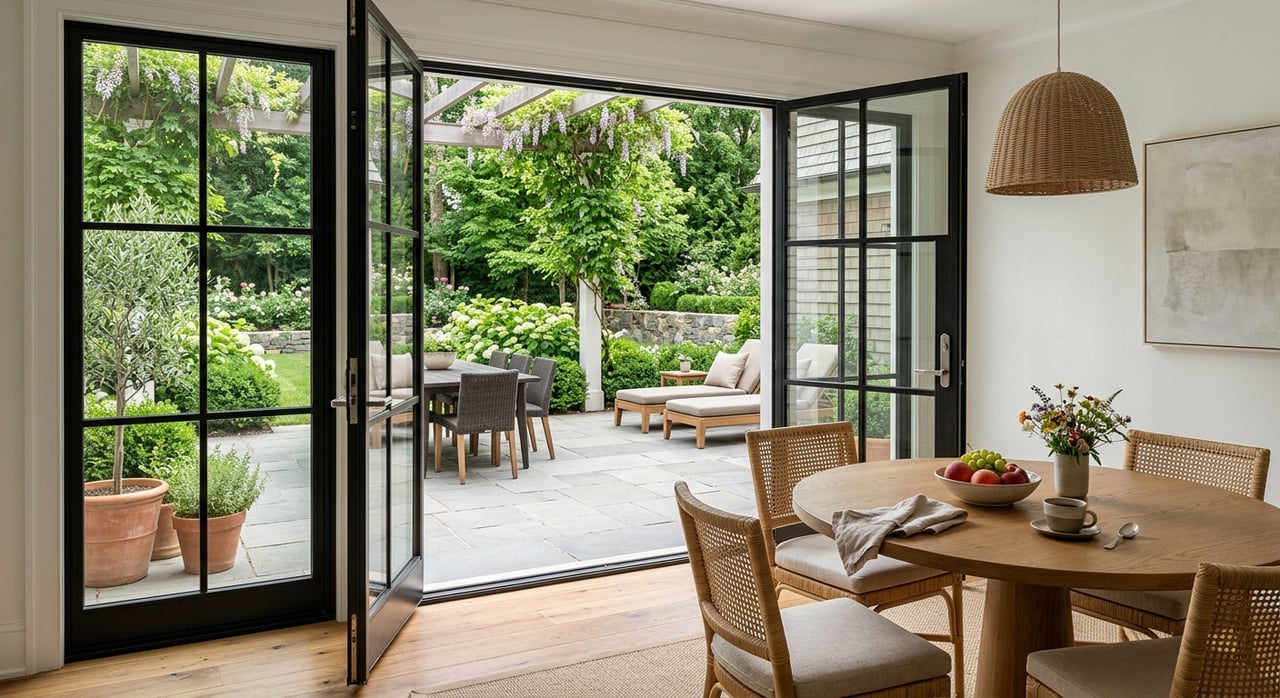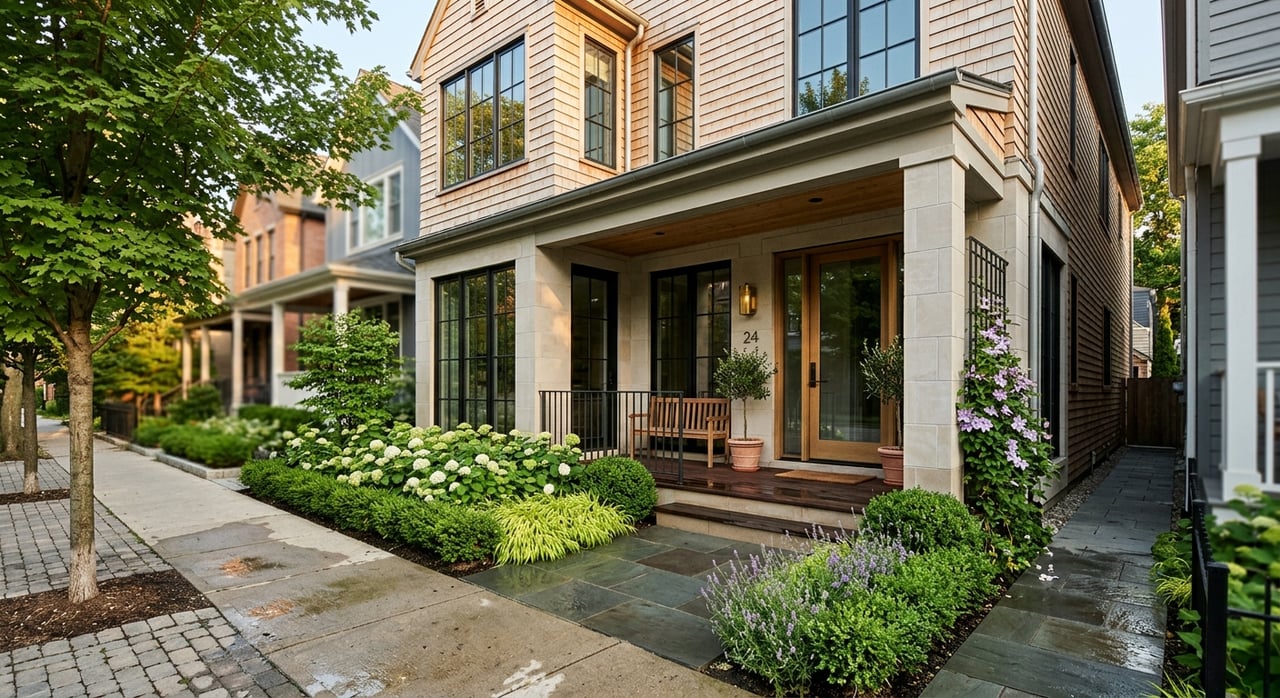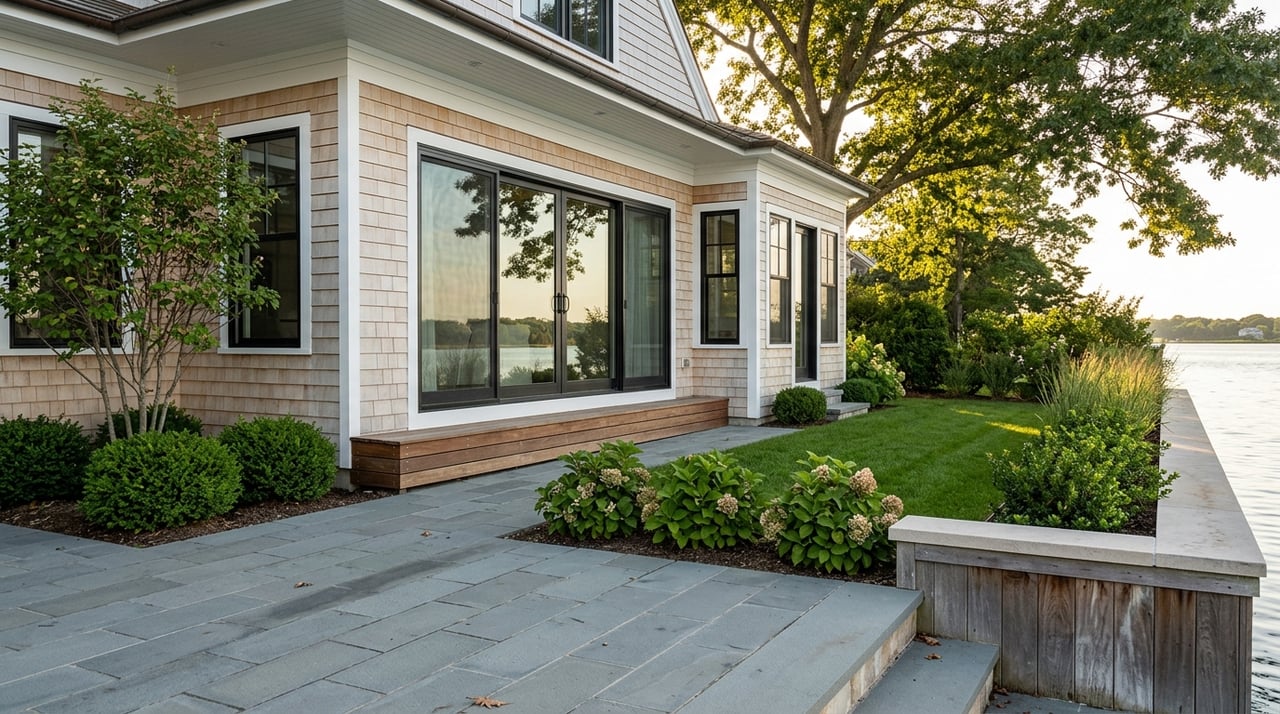
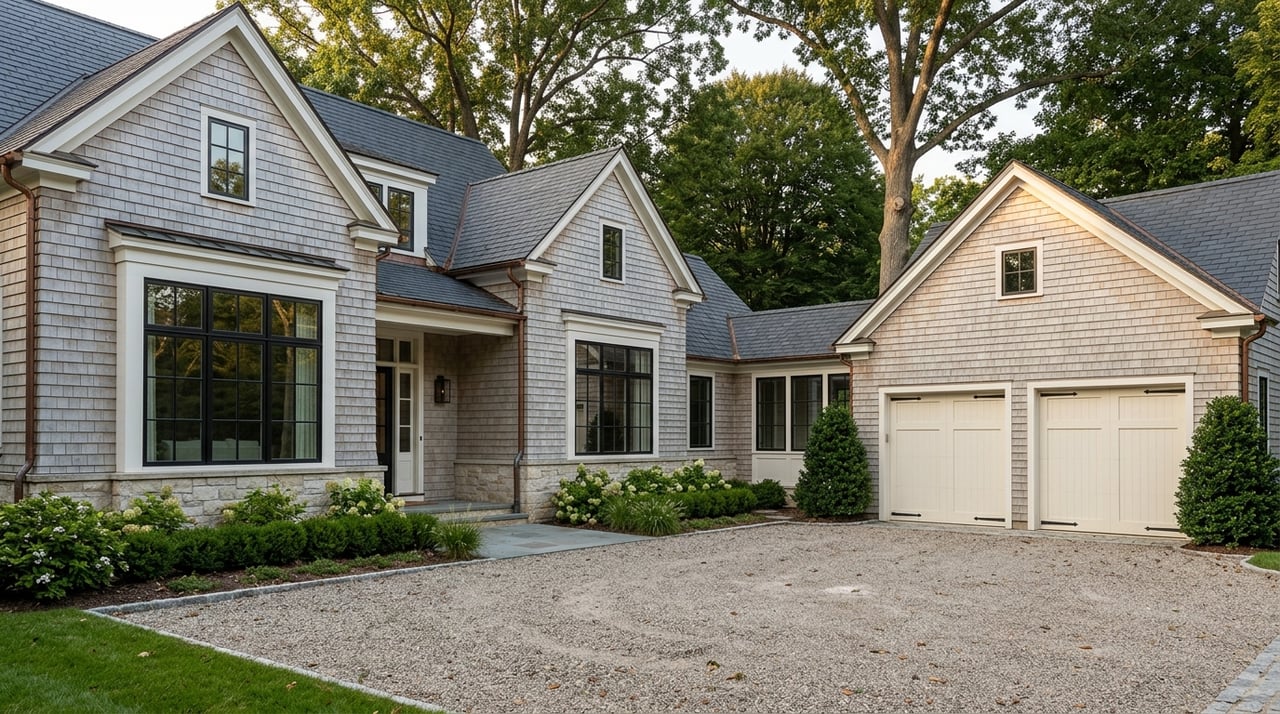
If you are selling acreage in Brookville or Glen Head, the house is only part of the story. Buyers will look at the land, the outbuildings, the permits, and the paper trail just as closely as they look at the kitchen or primary suite. When you prepare early, you can avoid last-minute surprises, present the property more clearly, and move into the market with more confidence. Let’s dive in.
Why acreage prep matters here
Selling acreage in Brookville or Glen Head often involves more moving parts than selling a typical residential property. Large lots may include pools, cabanas, generators, sheds, retaining walls, fencing, tree work, or other site improvements that can affect both presentation and paperwork.
There is also an important local difference between the two areas. Brookville is an incorporated village in the Town of Oyster Bay, and the village states that its residential zoning requires at least two acres. Glen Head is a hamlet, and building and zoning matters in unincorporated areas generally run through the Town of Oyster Bay Planning and Development Department and its certificate-of-occupancy process.
In practical terms, that means a Brookville sale may involve village-level review, while a Glen Head property often ties more directly into town records and approvals. For sellers, that distinction matters when you start gathering documents or checking whether past work was properly signed off.
Start with your seller file
Before you list, build one organized file with the key documents tied to the property. This gives you a faster way to answer buyer questions and spot any missing items before they become a closing issue.
A strong seller file should include:
- Deed
- Latest tax bill
- Survey
- Title report
- Certificates of occupancy or completion
- Permit sign-offs for additions or accessory structures
- Plans for major improvements
The Nassau County Clerk records real property documents and maintains the official ownership index, but it does not maintain surveys, title reports, or certificates of occupancy as recorded documents. The Clerk also notes that the current county tax bill is the best source for section, block, and lot information when recording.
Brookville also has its own assessing department for village tax matters, while Nassau County Assessment maintains tax maps and property records countywide. That is one more reason to start early and sort out which records you already have and which ones still need to be located.
Check your survey carefully
For acreage properties, the survey matters more than many sellers expect. Buyers want to understand the boundaries, open space, placement of improvements, and how the lot actually functions.
If your survey is missing, outdated, or older than your current improvements, treat that as a priority item. A pool, cabana, retaining wall, generator, shed, or driveway change can make an older survey less useful during due diligence.
In Brookville, Architectural Review Board materials call for two sets of signed and sealed plans, two signed and sealed surveys, and a site plan. In Oyster Bay, new construction submissions generally require a survey and two copies of the building construction plan. Even if you are not planning new work, those standards show how important accurate site documentation is in this market.
Review permits for outdoor features
Acreage properties often include site features that trigger permit requirements. That is where many sellers get tripped up, especially if improvements were added over time by prior owners.
Brookville’s Building Department says all construction work and tree removal must contact the department. Common permit triggers include:
- New houses and buildings
- Additions or alterations
- In-ground pools
- Pool cabanas and heaters
- Tennis courts
- Fences over four feet
- Retaining walls
- Drywells and cesspools
- Oil and gas tanks
- Demolition
The Town of Oyster Bay Building Division lists many similar items, along with:
- Sheds over 100 square feet
- Hot tubs
- Raised decks
- Fireplaces and chimneys
- Freestanding AC units
- Garages and accessory structures
- Greenhouses
- Solar panels
- Generators
- Propane tanks
- Sprinkler systems
The town also issues certificates of occupancy. If you added something years ago, or inherited it from a prior owner, do not assume the paperwork is complete just because the feature has been there for a long time.
What to do if prior work is undocumented
It is common for sellers to discover that an older shed, deck, pool, or generator does not have a clean paper trail. Sometimes the work was done before the current owner took title. Sometimes the permit was pulled, but the final sign-off never happened.
The best move is to identify those issues before your home hits the market. Incomplete paperwork can slow a buyer’s due diligence, create lender concerns, or lead to price renegotiation if the problem appears late in the deal.
If you think something may be missing, gather what you do have and start asking questions early. Depending on the property location and the work involved, that may mean contacting the Brookville Building Department, the Town of Oyster Bay Building Division, your attorney, and your title company.
Brookville timing can affect your listing plan
If your Brookville property needs documentation, revisions, or cure work before listing, timing matters. The village notes that permit applications may also require Planning Board or ZBA review depending on the project.
Brookville Architectural Review Board submissions must be received four weeks before the meeting. That can be significant if you are trying to regularize older work or complete a filing before photography, showings, or contract negotiations begin.
This is one reason acreage sellers benefit from a more deliberate pre-listing process. A little lead time can protect your timeline and reduce stress once the property goes live.
Glen Head sellers should focus on town approvals
In Glen Head, sellers typically need to look closely at Town of Oyster Bay building records and certificate-of-occupancy issues for improvements made on the property. Since Glen Head is an unincorporated hamlet, town-level enforcement and records are often central to your prep.
The town’s portal supports same-day or fast-order permits for some common exterior items, including fences, generators, pools, BBQs, fire pits, outdoor kitchens, solar, and septic-related work. Even so, each submission still requires notarized permit forms and disclosure affidavits, and incomplete paperwork can delay review.
If your property includes several site improvements, do not wait until a buyer asks for backup. Get ahead of the file while you still have time to respond calmly and fully.
Prepare the land for showing
Acreage is easier to sell when buyers can quickly understand how the outdoor space is used. If the lot feels overgrown, unclear, or inaccessible, the property may seem more complicated than it really is.
Before listing, focus on simple presentation steps that clarify the land:
- Clean the driveway
- Define mowing lines
- Trim overgrowth
- Show usable open space
- Make patios, pools, sheds, garages, generators, and retaining walls visible and accessible
This is not just visual staging. Several of these features can also be permit-triggering in Brookville or Oyster Bay, so your prep should combine appearance with documentation.
Keep tree and waterfront approvals
For acreage properties, tree work can be an important part of the record. Brookville says tree removal requires contact with the Building Department, and Oyster Bay instructions ask for a copy of the town Parks tree permit when trees are removed.
If your property has had significant clearing or removal, keep those approvals with the seller file. They may become important if a buyer, attorney, or title reviewer asks how site changes were handled.
If the parcel is waterfront, the stakes are even higher. Oyster Bay states that docks and bulkheads require DEC and Army Corps approvals, and residential docks also require Town Board approval.
Which office should you call first?
That depends on the property and the issue, but a simple sequence can help. Start with the office that governs the location and the feature in question, then bring in your transaction professionals.
A practical order is often:
- Confirm whether the property is in Brookville village jurisdiction or an unincorporated Glen Head area handled through Oyster Bay.
- Check the latest tax bill for section, block, and lot information.
- Pull together your deed, survey, permits, COs, and improvement plans.
- Contact the relevant building department if you need to verify permits or approvals.
- Involve your attorney, title company, and tax professional for legal, title, or tax questions.
The Nassau County Clerk specifically states that it cannot provide legal advice. For that reason, sellers should use the Clerk for record-related information, but rely on their attorney, title company, and tax professional for advice on next steps.
Why early prep protects your sale
When acreage properties are well prepared, buyers have an easier time seeing both the lifestyle and the value. They can understand the lot, the improvements, and the condition of the records without feeling uncertain about what comes next.
That clarity matters in Brookville and Glen Head, where larger parcels often come with more structures, more site work, and more municipal touchpoints than a standard suburban listing. Good preparation supports smoother showings, stronger buyer confidence, and a cleaner path from offer to closing.
If you are thinking about selling acreage in Brookville or Glen Head, a careful pre-listing review can make a meaningful difference. For strategic guidance, organized preparation, and white-glove support from start to finish, connect with Irene Renee Rallis.
FAQs
What documents should you gather before selling acreage in Brookville or Glen Head?
- Start with the deed, latest tax bill, survey, title report, certificates of occupancy or completion, permit sign-offs, and plans for major improvements.
What if your survey is missing or older than the current improvements?
- If the survey does not reflect current conditions, treat it as a priority issue because buyers may need accurate boundaries and improvement locations during due diligence.
What if a prior owner added a shed, pool, deck, or generator?
- Do not assume the paperwork is complete. Gather any records you have and check with the relevant building department, then involve your attorney and title company if needed.
Which office handles property issues in Brookville?
- Brookville properties may involve village-level review through the village Building Department, and some matters may also require Planning Board or ZBA review depending on the project.
Which office handles property issues in Glen Head?
- Glen Head issues often run through the Town of Oyster Bay Planning and Development Department and Building Division, including certificate-of-occupancy matters in unincorporated areas.
Why do outdoor features matter when selling acreage in Nassau County?
- Features like pools, fences, sheds, generators, retaining walls, and tree work can affect both buyer presentation and permit compliance, so they should be visible, accessible, and documented.