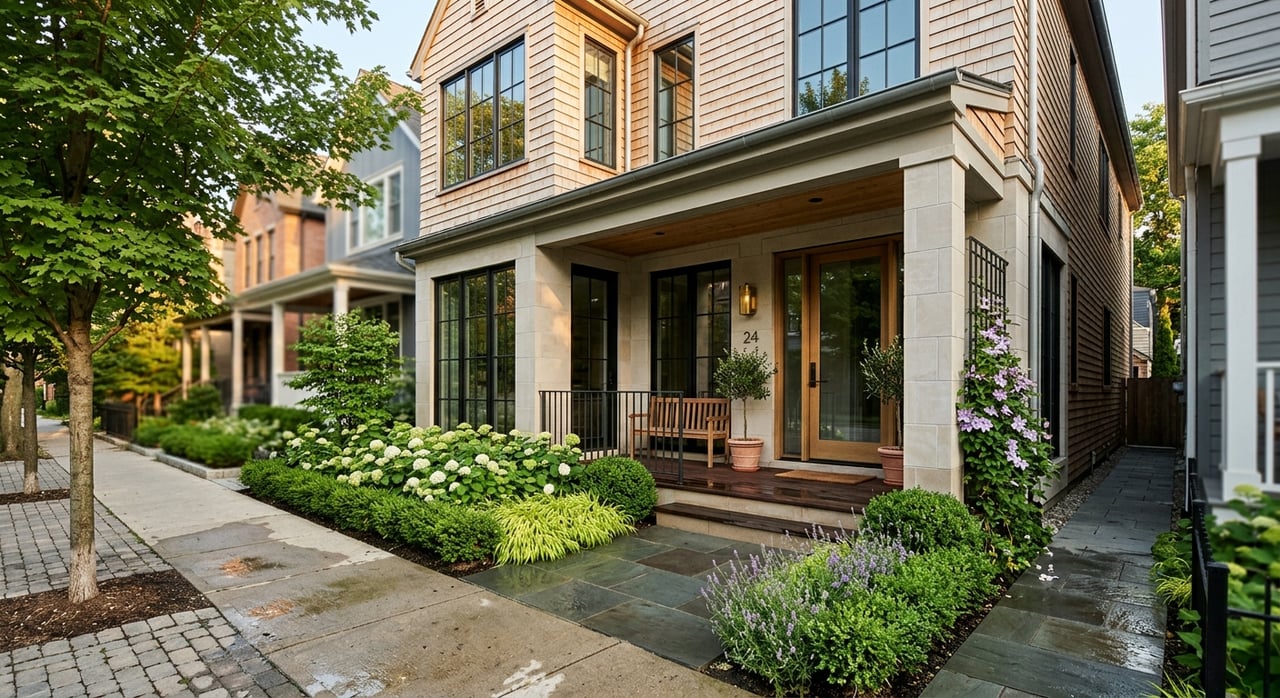
Are you drawn to Port Washington for the water, the walkable downtown, or both? That is where the decision usually gets tricky. In a fast-moving market where small location differences can have a big impact on lifestyle and price, choosing between waterfront and in-town living is less about what sounds better and more about what fits your daily life. This guide will help you weigh the real tradeoffs so you can move forward with clarity. Let’s dive in.
Port Washington Has Two Distinct Lifestyles
Port Washington is a peninsula market, and that matters. The area includes Baxter Estates, Manorhaven, Port Washington North, and the unincorporated Town of North Hempstead section, with a central commercial corridor running through Port Washington Boulevard, Main Street, Shore Road, and Manorhaven Boulevard.
Just as important, Port Washington is shaped by the water. The Greater Port Washington BID describes an active waterfront setting with two harbors, yacht clubs, marinas, launching ramps, moorings, and a town dock. For many buyers, the choice is not whether to live in Port Washington. It is whether you want station and Main Street convenience or a more water-oriented setting.
In-Town Port Washington Prioritizes Convenience
If your ideal day includes walking to the train, grabbing dinner near Main Street, and staying close to the center of activity, in-town Port Washington may feel like the better fit. The MTA station area is centered around Main Street, Haven Avenue, South Bayles Avenue, and Port Washington Boulevard, and current weekday service includes direct trains to Penn Station and Grand Central.
That makes nearby in-town streets especially practical for commuters and buyers who want easier daily routines. During warmer months, downtown also becomes more pedestrian-oriented during Port Promenade event periods, which adds to the appeal if you enjoy being near local shops, dining, and seasonal activity.
What In-Town Living Often Offers
- Easier access to the Port Washington train station
- Closer proximity to Main Street and the central commercial corridor
- A more traditional block-by-block residential feel
- Less day-to-day focus on shoreline upkeep and water-related property questions
Waterfront Port Washington Prioritizes Experience
If you picture views, boating access, shoreline recreation, or being closer to marinas and beaches, waterfront Port Washington offers a very different rhythm. The local waterfront identity is a real part of the community, supported by marinas, moorings, kayak and boating access, beaches, and other shoreline amenities.
The North Hempstead Beach Park master plan also points to fishing piers, a boat ramp, walkways, event space, and shoreline recreation on the peninsula. For the right buyer, that can be a major lifestyle advantage. You may gain a stronger connection to the water and more of the outdoor setting that makes Port Washington unique.
What Waterfront Living Often Offers
- Water views or proximity to shoreline access
- A stronger recreation-driven lifestyle
- Potential access to boating, kayaking, marinas, or moorings
- A setting that can feel more removed from the in-town core
Price Differences Can Be Significant
Port Washington remains an upper-tier and competitive market. As of May 2026, Redfin reported a median sale price of $1.549 million, homes selling in about 19 days, and a 105.5% sale-to-list ratio. Zillow reported an average home value of $1.276 million, with homes going pending in about 16 days.
Those market-wide numbers help explain why micro-location matters so much. In a market moving this quickly, being near Main Street, near the station, or directly tied to the waterfront can affect both value and competition.
Waterfront Does Not Mean One Price Point
One common assumption is that waterfront always means a single luxury bracket. In Port Washington, that is not the full story. Recent waterfront inventory examples ranged from a $499,000 Toms Point co-op to a $1.229 million West Shore Road unit and a $2.25 million West Shore Road waterfront residence.
That range is important because it shows waterfront living can take different forms. You might be comparing lower-maintenance attached living, a unit with water orientation, or a direct-water residence with a very different ownership experience.
In-Town Pricing Follows A Different Pattern
In-town homes can still be expensive, but the pricing ladder often feels more like a classic North Shore single-family market. Recent examples on Herbert Avenue included homes on lots of about 3,036 and 5,050 square feet, while a Reid Avenue listing showed a 9,225-square-foot lot with a $1.68 million asking price.
The takeaway is simple: do not assume in-town automatically means less expensive or that waterfront always means the largest lot. In Port Washington, each property needs to be evaluated on its own facts.
Lot Size Matters More Than Buyers Expect
When buyers compare waterfront and in-town homes, they often focus first on views or walkability. That makes sense, but lot size and parcel shape can have just as much impact on long-term satisfaction.
Waterfront properties are not always dramatically larger. Recent Bar Beach examples included lots of 6,660 and 5,400 square feet, while another peninsula waterfront property at Cornwells Beach Road measured 1.05 acres. That spread shows why you should look closely at the actual land, not just the label.
Compare These Property Features Closely
- Total lot size
- Parcel shape and usable outdoor space
- Whether value is tied more to land, views, or access
- The type of water access included, if any
- Privacy, parking, and layout practicality
The Biggest Tradeoff Is Daily Routine
For many buyers, the real choice comes down to how you want to live from Monday through Friday, not just on summer weekends. In-town Port Washington tends to support convenience. Waterfront Port Washington tends to support experience.
If commuting is central to your week, being closer to the station may improve your daily quality of life more than a view you enjoy occasionally. If boating, shoreline access, or being near the water is central to how you spend your time, the waterfront premium may feel worthwhile.
Waterfront Ownership Can Bring More Due Diligence
A waterfront purchase usually requires more investigation before you commit. That does not mean waterfront should be avoided. It means you should go in with clear eyes and ask the right questions.
FEMA states that homes in Special Flood Hazard Areas with government-backed mortgages must carry flood insurance. In New York, the NYSDEC regulates tidal wetlands, adjacent areas, docks, bulkheads, and coastal erosion hazard areas, and advises dock and bulkhead owners to contact the agency before construction or repair work in tidal wetlands areas.
Extra Waterfront Questions To Ask
- Is the property in a flood zone?
- What is the likely flood insurance cost?
- Is the water access deeded, shared, or permit-based?
- Are dock, bulkhead, or mooring rights transferable?
- When were shoreline improvements last repaired?
- Is there permit history for docks, bulkheads, or shoreline work?
These details matter because the value of a waterfront home is often tied to more than the structure itself. Access, rights, approvals, maintenance history, and insurance can all affect the property’s practical value.
In-Town Buyers Should Still Look Closely
In-town homes may involve fewer shoreline issues, but that does not mean the decision is simple. In Port Washington, convenience has value, especially in a market where many buyers want to be close to the station, Main Street, and the central corridor.
You should still compare parking, lot size, block feel, and access to the places you use most often. In a competitive market, two homes with similar prices can offer very different day-to-day experiences.
How To Decide With More Confidence
If you are torn between waterfront and in-town Port Washington, start with your routine before you start with aesthetics. A beautiful harbor setting may be the right choice, but only if it supports how you actually live. The same goes for a home near the station and Main Street.
A smart comparison usually starts with a few practical questions:
- How often will you use the train?
- How important is walkability to dining, shopping, or local events?
- Do you want boating or shoreline access, or do you mainly want a water view?
- Are you comfortable with added waterfront due diligence and possible insurance costs?
- Would you prefer a more central location or a more recreation-focused setting?
When you answer those honestly, the right fit often becomes much clearer.
Port Washington offers both lifestyles, and each can be a strong choice depending on your goals. If you want experienced guidance comparing blocks, pricing, and the fine print that can shape long-term value, Irene Renee Rallis can help you evaluate your options with the care and precision this market deserves.
FAQs
What is the main difference between waterfront and in-town Port Washington?
- The main difference is usually lifestyle. In-town Port Washington tends to offer easier access to the train station, Main Street, and the central commercial area, while waterfront Port Washington tends to offer more direct connection to boating, beaches, marinas, and shoreline recreation.
Is waterfront Port Washington always more expensive than in-town Port Washington?
- No. Research examples show waterfront properties in Port Washington can range from a co-op at a lower price point to premium direct-water residences, while in-town single-family homes can still command high prices depending on lot size, location, and condition.
What should you check before buying a waterfront home in Port Washington?
- You should review flood zone status, likely flood insurance cost, whether water access is deeded or shared, whether dock or mooring rights transfer, and any permit history tied to docks, bulkheads, or shoreline work.
Is in-town Port Washington better for commuters?
- It can be, especially if being close to the Port Washington train station is one of your top priorities. Streets near Main Street, Haven Avenue, South Bayles Avenue, and Port Washington Boulevard may support a more convenient commuter routine.
Why do lot size and parcel shape matter in Port Washington home searches?
- They matter because value is not based only on whether a home is labeled waterfront or in-town. In Port Washington, lot size, usable outdoor space, parcel shape, and how much value is tied to location versus land can all affect the overall fit and price.