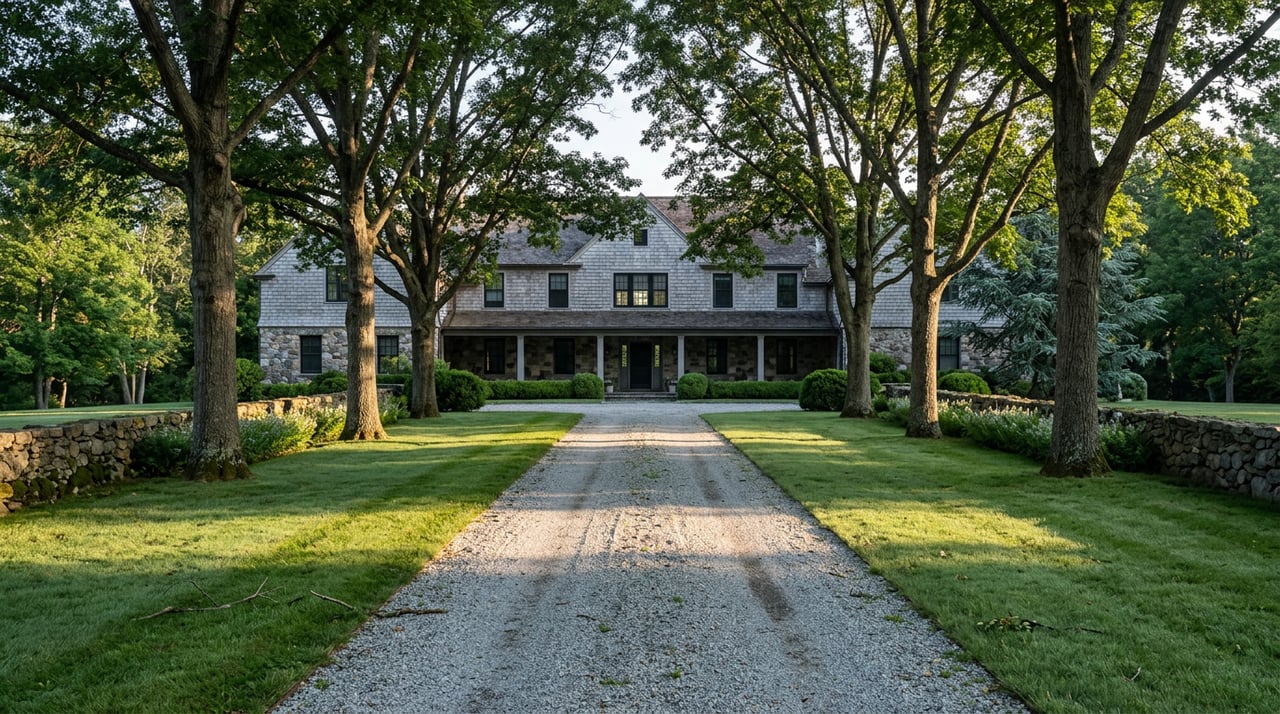
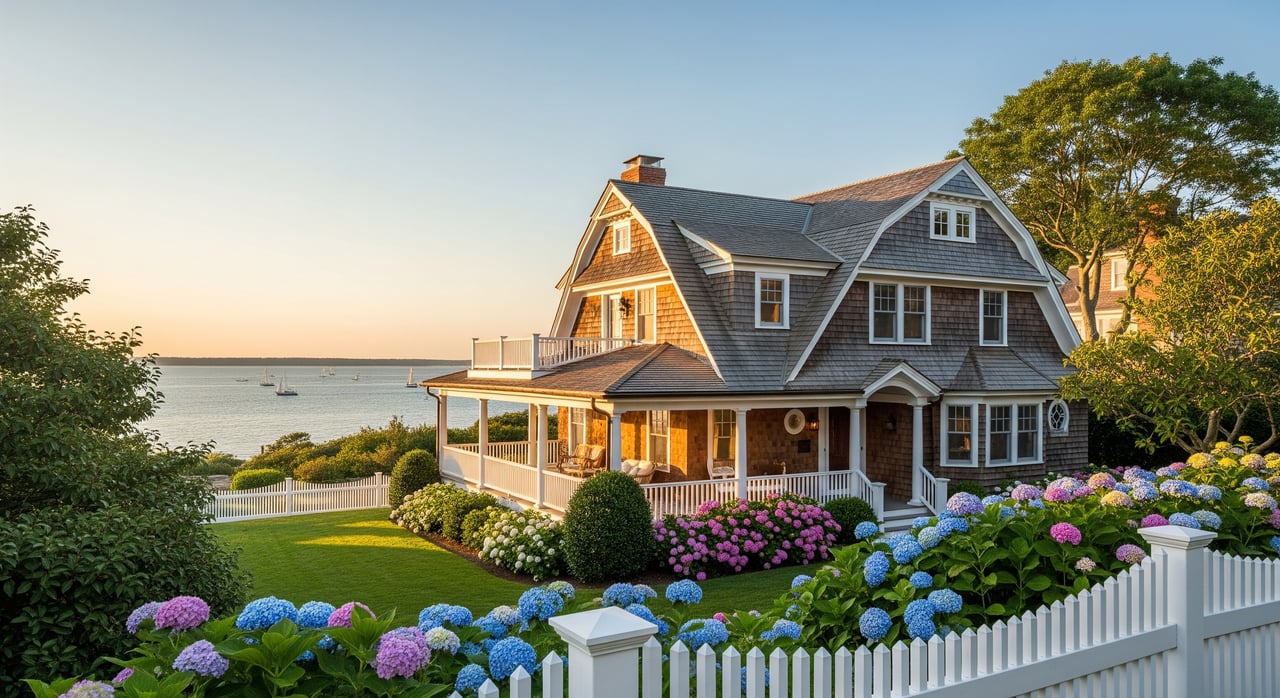
Do you love the look of gingerbread trim and wraparound porches but wonder what living in a historic Sea Cliff home really takes? You’re not alone. Character homes are beautiful, and they also come with unique upkeep, rules, and value drivers you should understand before you buy. In this guide, you’ll learn how to recognize Sea Cliff’s most common home styles, what maintenance to expect, which upgrades add value, and how to plan a smooth purchase or sale. Let’s dive in.
Sea Cliff at a glance
Sea Cliff on Long Island’s North Shore is known for its concentration of late‑19th and early‑20th century homes. Many feature preserved woodwork, porches, and period details that define the village’s curb appeal. Parts of the village fall within a designated historic area, where exterior changes may be reviewed by a local preservation body.
Because Sea Cliff sits near Long Island Sound, the coastal climate plays a role in upkeep. Salt air, wind, and storm exposure affect paint life, wood, roofs, and insurance considerations. Before you plan changes, confirm any permit or design review needs with the Village Clerk or building department.
The big three styles in Sea Cliff
Victorian
You’ll often see asymmetrical facades, patterned shingles, and tall chimneys on Sea Cliff Victorians. Some feature towers or turrets and signature “gingerbread” trim. Wraparound porches and steep, complex roofs are common. Most are wood-frame construction with intricate exterior details.
Arts & Crafts / Craftsman
Craftsman homes usually have lower-pitched roofs with wide eaves and exposed rafters. Tapered porch columns and an emphasis on natural materials are typical. Inside, look for built-ins like window seats and bookcases. Woodwork is a hallmark of this style.
Colonial and Colonial Revival
These homes tend to be symmetrical with a central entry. You’ll see double-hung windows, sometimes with shutters, and clapboard or shingle siding. Ornament is more restrained than in Victorian examples, which many buyers find timeless and easy to furnish.
How style affects upkeep
Exterior woodwork and paint
Victorian and Craftsman homes often have wood siding, detailed trim, and wooden porch elements. You should plan for regular inspections, touch-ups, and repainting. Salt air and roof run-off can keep certain spots damp, so watch porch floors, railings, eaves, and decorative trim for early signs of rot.
When replacing damaged elements, matching period profiles may require custom-cut trim or shingles. That can raise the cost and time compared to modern siding replacements, but it helps preserve character and value.
Roofing, chimneys, and gutters
Victorians often have steep, complex rooflines with dormers and valleys that cost more to re-roof and flash correctly. If the home has slate or wood shingles, expect to involve specialist trades. Tall brick chimneys may need repointing, flue checks, and crown repairs to keep water out.
Effective gutters and downspouts are essential. In Sea Cliff’s climate, managing water is one of the best defenses against exterior wood damage and foundation issues. Keep gutters clean and be sure downspout extensions carry water away from the house.
Windows and energy performance
Original wood double-hung windows are common in character homes. Many can be repaired and weatherized to improve comfort without losing charm. Simple steps like sash repairs, weatherstripping, and adding storm windows often pay off.
Full replacement can improve efficiency but may alter the look of the home. In a historic district, replacements might also require design review. Ask early and plan accordingly.
Mechanical systems, insulation, and wiring
Older homes often need electrical upgrades for modern service capacity. If knob‑and‑tube wiring or outdated panels are present, factor in replacement costs. Plumbing systems may include galvanized supply lines or older solder; a licensed plumber can evaluate the scope of updates.
Insulation is another common gap. Attics and walls in historic homes may be under-insulated by today’s standards. Thoughtful upgrades can improve comfort and energy use. Many homes also run on older oil-fired systems; conversions to high-efficiency heating are popular and often expected by today’s buyers.
Foundations, basements, and drainage
Some Sea Cliff homes have stone or brick foundations. Look for signs of settling, moisture, and prior repairs. Good grading, working gutters, and proper downspout extensions are key to reduce water entry. Given the coastal setting, confirm basement moisture management and learn the home’s elevation relative to local flood zones.
Lead paint, asbestos, and pests
For homes built before 1978, assume lead paint may be present until testing proves otherwise. Some older insulation and pipe wraps may contain asbestos. You should test and, where needed, hire certified professionals for abatement or management. A wood-destroying insect inspection is also wise due to the amount of historic wood trim and framing in these homes.
What smart updates add value
High-impact improvements buyers love
- Mechanical reliability: Upgrade electrical service, improve insulation, and install efficient heating and cooling.
- Kitchen refreshes: If the layout works, consider new counters, appliances, hardware, and lighting rather than a full gut.
- Bathroom updates: Focus on clean finishes, new fixtures, bright lighting, and regrouting.
- Exterior curb appeal: Fresh paint, porch repairs, period-appropriate lighting, and tidy landscaping go a long way.
- Window weatherization: Restore original windows and add storms for comfort while keeping historic character.
What to avoid
Heavy gut renovations that remove historic features usually deliver less return. Taking out built-ins or demolishing porches can narrow your buyer pool. Most Sea Cliff buyers value authentic details paired with modern systems and well-finished kitchens and baths.
Coastal and historic rules to know
Historic-district design review can affect the timing and cost of exterior changes. Ask if the property sits in a designated area and what types of work trigger review. Clear records help set expectations for both buyers and sellers.
Sea Cliff’s coastal setting also means flood risk, elevation, and insurance matter. Buyers often ask for FEMA flood zone status, any elevation certificates, and a history of storm-related claims or repairs. Older systems may raise insurance costs or require specific endorsements, so up-to-date documentation and warranties can support your sale.
Your Sea Cliff due diligence checklist
- General home inspection with an inspector experienced in older homes.
- Chimney and fireplace evaluation for masonry, flues, and crowns.
- Electrical assessment for service capacity and knob‑and‑tube wiring.
- Plumbing check for galvanized lines, leaks, and water pressure.
- Pest inspection for wood‑destroying insects.
- Moisture and mold review in basement and attic.
- Lead paint risk assessment if built before 1978.
- Asbestos survey if prior materials or systems suggest it.
- FEMA flood zone determination and a review of any past flood claims.
- Verify basement elevation, drainage, sump systems, and pumping capacity.
- Confirm if the home is in a local historic district and what exterior work requires permits or design review.
Light refreshes before you list or move in
Exterior
- Repair and repaint trim and porch surfaces; address rot and flaking.
- Repair porch flooring, railings, and check footings or piers.
- Clean gutters and extend downspouts to discharge away from the foundation.
- Boost curb appeal with a freshly painted front door, period-appropriate lighting, and neat landscaping.
Interior
- Refinish original hardwood floors instead of replacing.
- Update kitchens with paint, hardware, lighting, and appliance refreshes.
- Refresh baths with new vanities and fixtures, clean grout, and bright, neutral paint.
- Declutter and stage to showcase moldings, built-ins, and mantels.
Systems
- Service heating and cooling, replace failing water heaters, and test smoke and CO detectors.
When to bring in specialists
- A preservation consultant or architect can guide exterior changes in a historic district and help restore defining features.
- Licensed electricians, plumbers, and HVAC contractors should handle all system upgrades or conversions.
- A structural engineer is important for foundation issues, chimney stabilization, or significant roof or porch concerns.
How to buy or sell with confidence
Buying or selling a character home should feel exciting, not overwhelming. You deserve guidance that blends local insight with technical rigor. From evaluating historic-district rules to planning cost-effective upgrades, your process improves when you have a clear roadmap and a strong advocate.
With nearly three decades on the North Shore, a law and accounting background, and a white-glove approach, I help you focus on what matters: preserving the charm you love, securing the systems you need, and navigating Sea Cliff’s coastal and historic considerations with confidence. If you’re exploring a purchase or considering a sale, let’s talk about a plan tailored to your goals. Connect with Irene Renee Rallis to get started.
FAQs
Are Victorian homes in Sea Cliff harder to maintain?
- Typically yes in certain areas. Complex roofs, tall chimneys, and decorative woodwork often mean more frequent painting and specialized repairs. Good inspections help you budget accurately.
Should I replace or restore original windows in Sea Cliff?
- Restoring wood windows with weatherstripping and storm windows often balances character and comfort. Full replacement can boost efficiency but may change the look and require review in a historic district.
What updates add the most value to a Sea Cliff historic home?
- Prioritize mechanical reliability, insulation, kitchen and bath refreshes, and visible exterior repairs. Avoid removing original features that many buyers expect and value.
Do historic-district rules affect renovations in Sea Cliff?
- They can. Exterior changes in designated areas may need design review and permits. Confirm requirements with local officials before you plan or price renovations.
How does coastal flood risk affect buying in Sea Cliff?
- Check FEMA flood zone status, any elevation certificates, and the property’s insurance and claim history. Drainage and moisture control should be part of your inspection and maintenance plan.