Waking up to Manhasset Bay outside your window is a dream for many North Shore buyers. Waterfront in Port Washington is special, but it also comes with decisions you do not make on a typical house. You want the view and the access, without the surprises. In this guide, you will learn how to evaluate boat access, flood and insurance, shoreline structures, permitting, and title details so you can buy with confidence. Let’s dive in.
Port Washington waterfront basics
Port Washington sits on the Cow Neck peninsula within the Town of North Hempstead. Several incorporated villages inside the hamlet have their own rules. That mix means moorings, docks, and many shoreline activities are regulated locally, and the rules may differ by address.
Manhasset Bay is actively monitored. The local Manhasset Bay Protection Committee coordinates water‑quality planning and reporting. You will also see periodic infrastructure projects, because sewer and stormwater improvements affect the bay’s long‑term health. Recent funding awarded to the Port Washington sewer district underscores that you should expect ongoing upgrades in the coming years.
- Learn about bay monitoring from the Manhasset Bay Protection Committee’s overview page: local water‑quality planning context.
- See the recent water‑quality improvement funding awarded to Port Washington: Long Island Sound Partnership announcement.
Boat access: moorings and marinas
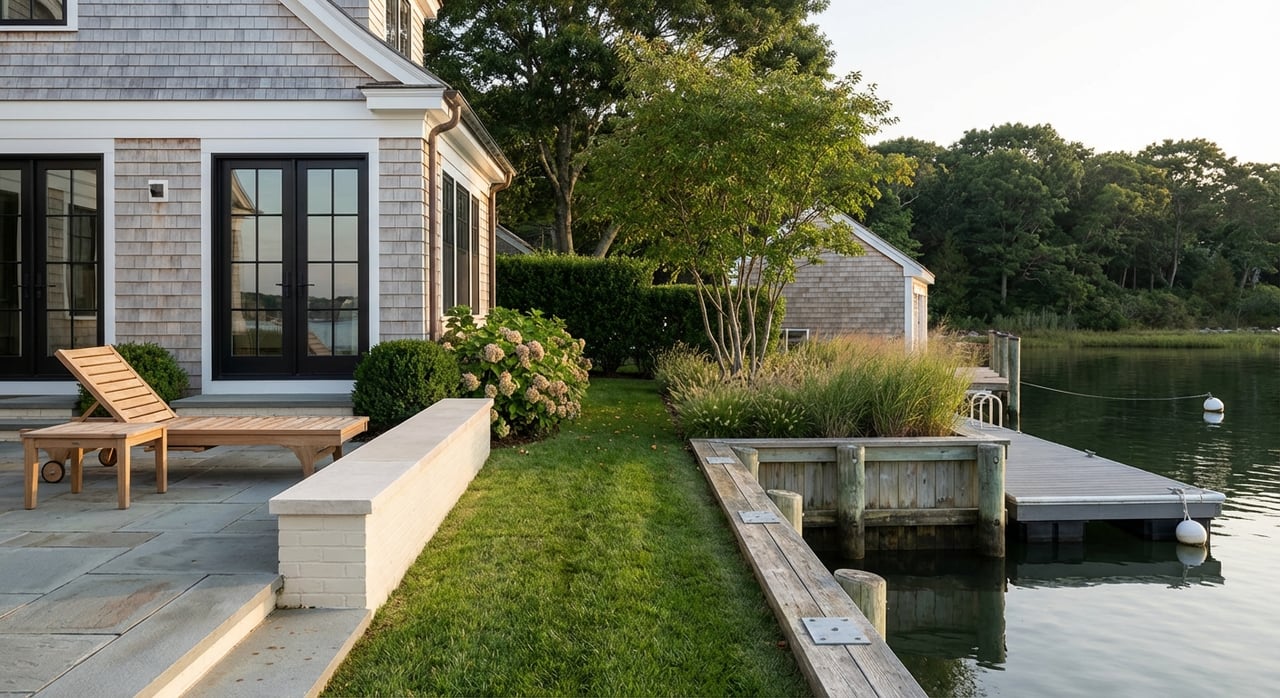
Listings can read “waterfront,” “waterview,” or “deeded mooring,” but the details matter. Some homes convey a private dock or a slip. Others include an association or yacht‑club mooring. Many offer only the view, not in‑water rights. Confirm exactly what transfers with the property.
In Port Washington, the Town of North Hempstead regulates moorings and sets rules on permits, inspections, and penalties. Ask whether a mooring is a Town permit, a private lease, or held through a club, and whether it is transferable. If a launch service is involved, verify where it operates, the season, and fees. For a sense of local boating services, the town dock and nearby facilities support transient moorings, launch services, and marina berths.
- Review the Town’s mooring regulations: Town of North Hempstead code on moorings.
- Explore local transient access and services: Port Washington town dock and marina information.
Key questions to ask
- Does the property include a deeded dock, assigned slip, or only a view?
- Is any mooring Town‑permitted, and is it transferable at sale?
- Who owns and insures the gear, and who provides launch service?
- Are there waitlists, seasonal limits, or inspection requirements?
Flood maps, elevation, and insurance
Waterfront due diligence starts with flood mapping. Pull the exact FEMA Flood Insurance Rate Map panel for the address. If the home is in a Special Flood Hazard Area, your lender will likely require flood insurance. The exact zone, the Base Flood Elevation, and the building’s lowest floor elevation drive cost and compliance.
If the property is mapped in a flood zone, request any existing Elevation Certificate prepared by a licensed surveyor. Ask whether a Letter of Map Amendment or Revision exists. In some cases, property‑specific elevation data can change how a lender treats insurance requirements, but only with the right documents.
Local floodplain rules can be stricter than FEMA’s minimums. Incorporated villages may also have their own standards for substantial improvements, enclosed‑area openings, fill, and elevation. Before you plan a renovation, confirm which municipality governs your address and what rules apply.
- Look up the property’s FEMA map panel: FEMA Flood Map Service Center.
- Understand Elevation Certificates and LOMA/LOMR options: FEMA LOMC guidance and FAQs.
- Check local floodplain standards that may exceed FEMA’s minimums: Town and village code reference.
- Brush up on common flood insurance terms and lender requirements: FEMA flood insurance terminology.
Bulkheads, seawalls, and shoreline structures
Many waterfront lots use bulkheads, seawalls, or riprap to protect the upland. Material and condition vary by property. Timber can have a shorter life. Steel and concrete can last longer but depend on site chemistry, design, and maintenance. Routine inspections help prevent tieback failures and toe scour from becoming expensive emergencies.
Permitting is multi‑layered. In New York, most in‑water work that disturbs mean high water or tidal wetlands needs state approvals. Larger projects can also require federal coordination and town or village permits. Expect multiple agency reviews for new bulkheads and significant repairs.
There are environmental tradeoffs. Vertical hard structures can reduce habitat and may increase local erosion. Regulators often encourage sloped or hybrid approaches in lower‑energy areas to balance protection with habitat. If you are weighing replacement options, consult a coastal engineer early. It can save both time and money.
- See federal guidance on marina and shoreline impacts, including softer alternatives: EPA coastal marinas guidance.
Title and riparian rights
Do not assume underwater land ownership or automatic rights to build a dock. Waterfront deeds sometimes include riparian rights such as access or accretion, but state ownership and the line of mean high water can affect what you truly control. Accretion and avulsion rules in New York determine whether gradual or sudden shoreline changes shift title.
Order a careful title search. Ask your title company to highlight any exceptions related to water and water courses, and to provide all recorded easements or rights of way. If a dock or bulkhead exists, request copies of permits and any as‑built drawings.
- For background on how title companies treat water‑related exceptions, review this reference: New York title insurance overview.
How Port compares to nearby harbors
When you compare Port Washington to other North Shore coves, think about four things.
Water type and exposure. Manhasset Bay is a sheltered embayment, which often means easier small‑boat mooring and gentler wave action than open Sound frontage.
Boat access and services. Port offers a concentration of marinas, yacht clubs, and a town dock that supports transient services. That can make boating logistics simpler.
Regulatory environment. Town and village layers can affect timelines for docks, bulkheads, and renovations. Confirm which office has jurisdiction for your address.
Long‑term resilience. Sewer and stormwater projects, plus county and state planning, influence water quality and future flood exposure. Review active projects near the property. For example, the Port Washington Water Pollution Control District shares updates on improvements and operations.
For district announcements and contacts, visit the Port Washington Water Pollution Control District.
What you will see in listings
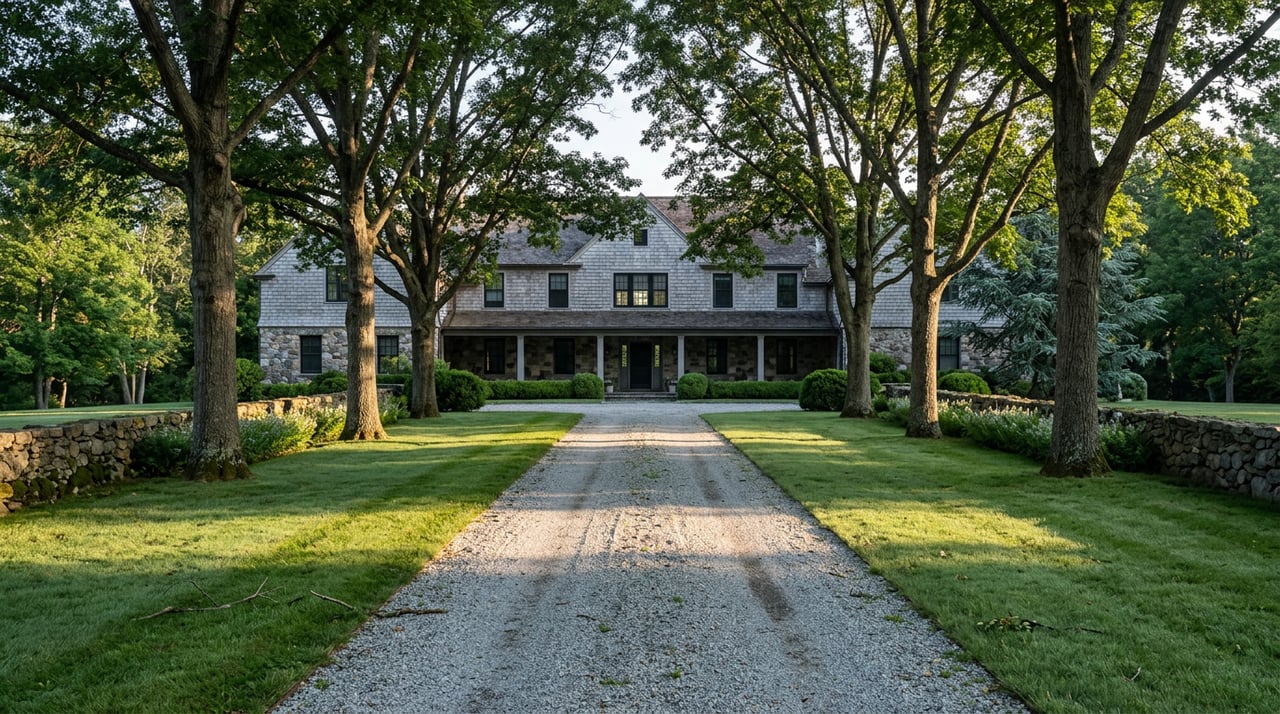
Port Washington waterfront covers a range of styles and settings. You will find classic North Shore Colonials and Shingle‑style homes adapted to the shoreline. There are also renovated mid‑century houses, bayside cottages, and condo or co‑op buildings with shared slips. Larger estate properties and private beaches appear more often as you move toward Sands Point. Each profile carries different permitting histories, flood exposures, and maintenance needs, so review them on a case‑by‑case basis.
Buyer checklist: from first look to close
Use this quick list to keep your process tight and proactive.
Before you make an offer
- Pull the FEMA map for the exact address and request any Elevation Certificate or LOMA/LOMR on file. Use the FEMA Flood Map Service Center.
- Ask the seller for copies of shoreline permits and approvals for bulkheads, docks, dredging, wetlands, and moorings. Confirm whether permits were closed and if as‑builts exist.
- Title review. Request deed language on the waterfront extent, riparian rights, and any easements or town rights of way. Ask your title company to flag water‑related exceptions.
- Mooring and dock status. Confirm if a mooring or slip is transferable, Town‑permitted, leased, or club‑only. Review the Town mooring regulations.
- Sewer and local projects. Confirm if the home is within the Port Washington sewer district, and check for nearby easements or planned work. District updates are posted by the Port Washington Water Pollution Control District.
During inspection and contingencies
- Commission a marine‑engineer or qualified coastal contractor to inspect bulkheads, piles, tiebacks, and toe conditions. Get a written estimate and permitting timeline for any needed work.
- Order an elevation survey and Elevation Certificate if one is not available. This affects insurance premiums and lender requirements. See FEMA LOMC guidance for how elevation data may be used.
- Obtain flood insurance quotes from both NFIP and private carriers and confirm what your lender will accept. Review common terms on FEMA’s insurance terminology page.
Post‑close and long term
- Speak with the Town’s Harbor and Marine Enforcement team about mooring inspections, seasonal dates, and any harbor plans that could affect access. Use the Town mooring code as your reference point.
- Budget annually for shoreline and boating costs. Include bulkhead or dock maintenance, seasonal haul and launch, and higher deductibles for coastal policies.
How I help you buy with confidence
Waterfront deals move fast, but your due diligence should not. You deserve a calm, thorough process that protects your lifestyle goals and your balance sheet. With nearly 30 years in the North Shore market and a background in law and accounting, I bring a precise checklist to every waterfront purchase: permits, flood and elevation data, title language, and realistic maintenance budgets. You get clear answers before you commit.
If you are considering a Port Washington waterfront home, let’s create a step‑by‑step plan tailored to your address, goals, and timeline. Connect with Irene Renee Rallis to get started today.
FAQs
What should I verify first on a Port Washington waterfront listing?
- Start with the exact FEMA flood map for the address, any Elevation Certificate, and whether a dock, slip, or mooring actually transfers with the property.
How do I know if a mooring is transferable to me as the buyer?
- Ask whether it is a Town‑issued permit, a private lease, or held through a club, then confirm transfer rules and inspection history with the Town and the issuing entity.
Do I need a special inspection for a bulkhead or dock?
- Yes. Hire a marine‑engineer or qualified coastal contractor to assess the bulkhead, piles, tiebacks, drainage, and toe scour, and to provide a written repair or replacement plan.
Will my lender require flood insurance in Port Washington?
- If the structure is in a FEMA Special Flood Hazard Area, lenders typically require flood insurance. Premiums depend on elevation relative to the Base Flood Elevation and building details.
Who regulates dock and mooring permits in Port Washington?
- The Town of North Hempstead governs mooring permits and enforcement, while incorporated villages can add their own rules. Larger shoreline work also requires state and sometimes federal approvals.