Looking for a North Shore village that feels creative, walkable, and full of character? Sea Cliff stands out in a way few places do. If you are drawn to historic homes, waterfront views, and a downtown with real personality, this guide will help you understand what makes Sea Cliff special and what to keep in mind if you plan to buy or sell here. Let’s dive in.
Why Sea Cliff Feels Different
Sea Cliff is a compact waterfront village in the Town of Oyster Bay on Long Island’s North Shore. According to the Village of Sea Cliff, it is known for its historic character, scenic beauty, vibrant downtown, parks, and strong cultural heritage.
That sense of place is tied closely to its size and setting. Census Reporter shows Sea Cliff covers about 1.1 square miles and has a population of 5,033, giving it a small-village feel rather than a spread-out suburban one. Local descriptions also place it on a bluff above Hempstead Harbor and Long Island Sound, which helps explain its dramatic scenery.
Historic Homes Shape the Village
Sea Cliff’s identity is rooted in its late-19th-century growth as a summer resort and camp-meeting community. The National Park Service’s Sea Cliff Summer Resort documentation notes the village grew quickly in the 1880s and 1890s, with historic properties built between 1868 and 1895.
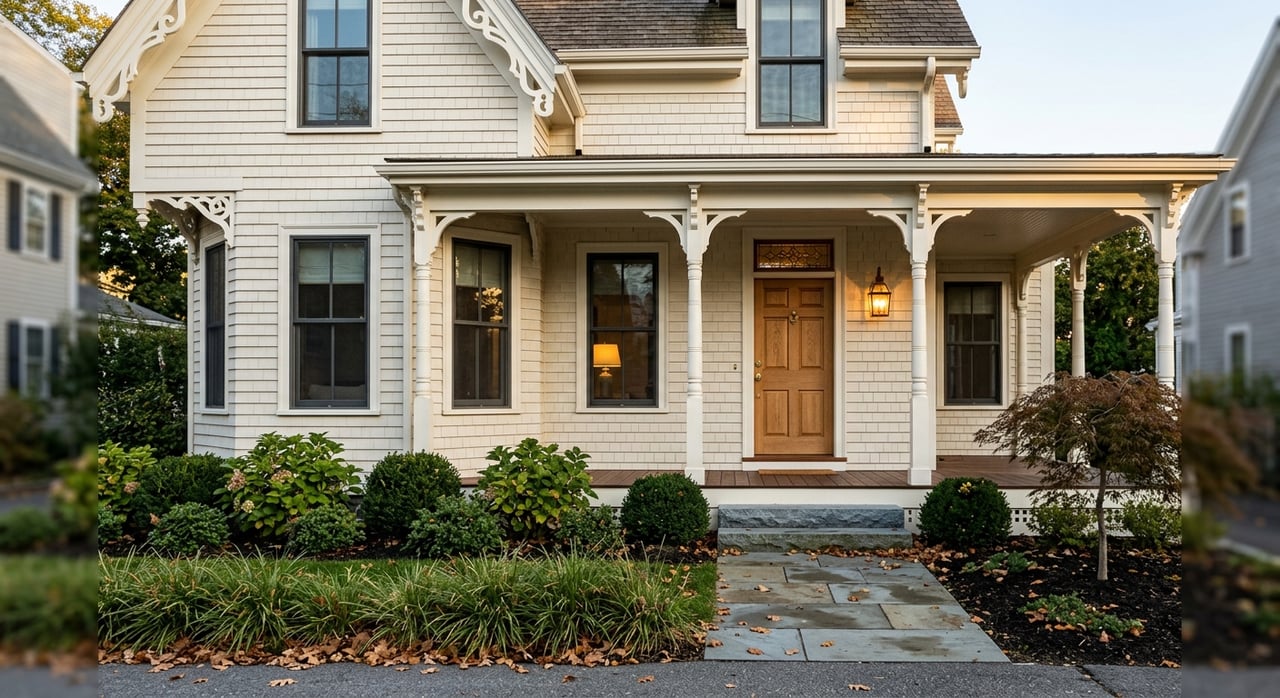
You can still see that legacy in the architecture today. The village is especially associated with late Victorian styles such as Gothic Revival, Second Empire, Stick, Shingle, and Queen Anne. Large porches, decorative woodwork, compact lots, and consistent setbacks all help create the visual charm that people often notice right away.
The village’s vital statistics page adds useful context for buyers and sellers. In 2020, Sea Cliff had 2,033 housing units, 96% of them single-family homes, and 54.9% of the housing stock was built before 1939. It also reports 50 locally designated landmarks and a database of more than 1,000 inventoried properties.
What Buyers Should Know About Older Housing
Sea Cliff’s housing stock offers originality that is hard to duplicate in newer communities. If you are shopping here, you are often choosing architectural detail, a strong sense of history, and a distinctive streetscape rather than a standard suburban layout.
That said, older housing can come with added layers of review and planning. The village notes that 58% of residential lots are smaller than current minimum lot-size rules, which helps explain why additions or exterior changes may be more involved. If you are considering updates, it is smart to understand lot conditions, approvals, and preservation-related considerations early in the process.
For sellers, this character can be a real advantage. In Sea Cliff, buyers are often responding to atmosphere, craftsmanship, and setting as much as interior size. Presenting a home’s original details, porch appeal, and connection to the village setting can matter just as much as polished interiors.
Walkability Adds Everyday Appeal
One reason Sea Cliff attracts such loyal interest is that it is not just scenic. It is practical for daily life in a way many suburban communities are not. The village’s 2023 Comprehensive Plan identifies the Sea Cliff Avenue corridor as the main business district and notes sidewalks, village-maintained staircases, and a paved beachfront sidewalk and boardwalk that connect parts of the village to the waterfront.
For you as a buyer, that means the village experience extends beyond your property line. You can enjoy a downtown setting, public spaces, and waterfront access within a compact layout. For many people, that walkable rhythm is part of Sea Cliff’s long-term appeal.
Arts and Culture Are Part of Daily Life
Sea Cliff has an unusually strong creative identity for a village of its size. The Sea Cliff Arts Council says its mission is to support and promote the arts across the village through exhibits, performances, workshops, and partnerships.
That arts presence is not limited to one venue or one event. Village materials describe monthly library exhibits, cultural programs at Village Hall, invitational exhibits, and other artist-led activities. Tourism descriptions also highlight galleries, cafes, and one-of-a-kind shops that contribute to the village’s independent feel.
If you value a place with visible local culture, Sea Cliff offers that in a grounded, everyday way. It is not a manufactured lifestyle concept. It is part of how the village presents itself and how residents use community spaces.
Community Spaces Matter Here
Sea Cliff’s public spaces play a major role in its identity. The village’s parks and recreation page lists Sea Cliff Municipal Beach, Veteran's Memorial Park, Elm Park, Central Park, Clifton Park, Prospect Park, Roslyn Park, and Plaza Park.
The village’s tax information page says Sea Cliff maintains 17 parks plus the village beach. That helps explain why the bluff-top location feels accessible and lived-in rather than simply picturesque. You are not just near scenery here. You are near places people actively use.
Civic institutions also add to that neighborhood feel. The Sea Cliff Village Library says it holds more than 26,000 books and offers children’s and adult programs, while village resources also reference the Sea Cliff Village Museum and the Sea Cliff Landmarks Association as part of the community’s preservation and cultural life.
Environmental Stewardship Supports the Setting
Sea Cliff’s appeal is also tied to how carefully the village manages its environment and public realm. The Environmental Conservation Commission says Sea Cliff is a Bronze Certified Climate Smart Community.
Village materials also highlight tree preservation, recycling, and resident participation in maintaining a leafy and attractive streetscape. For buyers and homeowners, that matters because the visual quality of the village is not accidental. It is supported by ongoing local effort.
Sea Cliff Market Snapshot
Sea Cliff remains a premium North Shore market. According to Redfin’s Sea Cliff housing market data, the median sale price was $920,000 in February 2026, with homes taking an average of 27 days to sell, and the market was described as very competitive.
The village’s own tax page offers another useful benchmark. It states that for a median-priced home of about $1.07 million, the annual village tax is approximately $3,367, and only 12.5% of a resident’s total property taxes go to the village itself. That local context can help you understand how village services relate to ownership costs.
The larger takeaway is straightforward. Sea Cliff’s value is tied to limited land, older single-family housing, waterfront setting, walkability, and preservation-minded character. In practical terms, buyers here are often paying for uniqueness and atmosphere, not just square footage.
What This Means for Buyers
If you are considering Sea Cliff, it helps to look beyond the usual checklist. Home size and finishes matter, but so do lot history, renovation potential, architectural style, and how a property fits into the broader streetscape.
A smart buying approach often includes:
- Reviewing the age and condition of major systems carefully
- Understanding whether planned exterior changes may need additional review
- Comparing location within the village, not just price point
- Weighing the value of walkability, parks, and waterfront access in your day-to-day life
In a competitive market, clear strategy matters. Homes with character and a strong location can attract quick interest, especially when they reflect the qualities buyers specifically seek in Sea Cliff.
What This Means for Sellers
If you are preparing to sell in Sea Cliff, your home’s story matters. Buyers are often looking for authenticity, architectural detail, and the lifestyle that comes with living in a compact waterfront village.
That means your marketing should do more than list features. It should highlight the home’s setting, original character, village context, and proximity to downtown, parks, or the waterfront where relevant. For distinctive homes and higher-value properties especially, a polished presentation and careful pricing strategy can make a meaningful difference.
If you are thinking about buying or selling in Sea Cliff, working with an advisor who understands complex housing stock, local market positioning, and high-touch transaction management can help you move with more confidence. To start the conversation, connect with Irene Renee Rallis.
FAQs
What is Sea Cliff known for on Long Island?
- Sea Cliff is known for its waterfront bluff setting, late Victorian architecture, walkable village layout, parks, beach access, and active arts and cultural scene.
What types of homes are common in Sea Cliff, NY?
- Sea Cliff’s housing stock is primarily single-family homes, and village data says many were built before 1939, with a strong presence of late Victorian architectural styles.
Is Sea Cliff, NY a walkable village?
- Yes. The village’s Comprehensive Plan points to the Sea Cliff Avenue business district, sidewalks, staircases, and waterfront pedestrian connections that support walkability.
What should buyers know about older homes in Sea Cliff?
- Buyers should understand that many homes are older and sit on legacy lots, so renovations, additions, or exterior changes may require added planning and review.
How competitive is the Sea Cliff real estate market?
- Redfin describes Sea Cliff as a very competitive market, with a February 2026 median sale price of $920,000 and an average of 27 days on market.
What do Sea Cliff village taxes help support?
- According to the village, local tax revenue helps support services and amenities such as parks, the beach, sanitation, public works, and volunteer fire and EMS support.