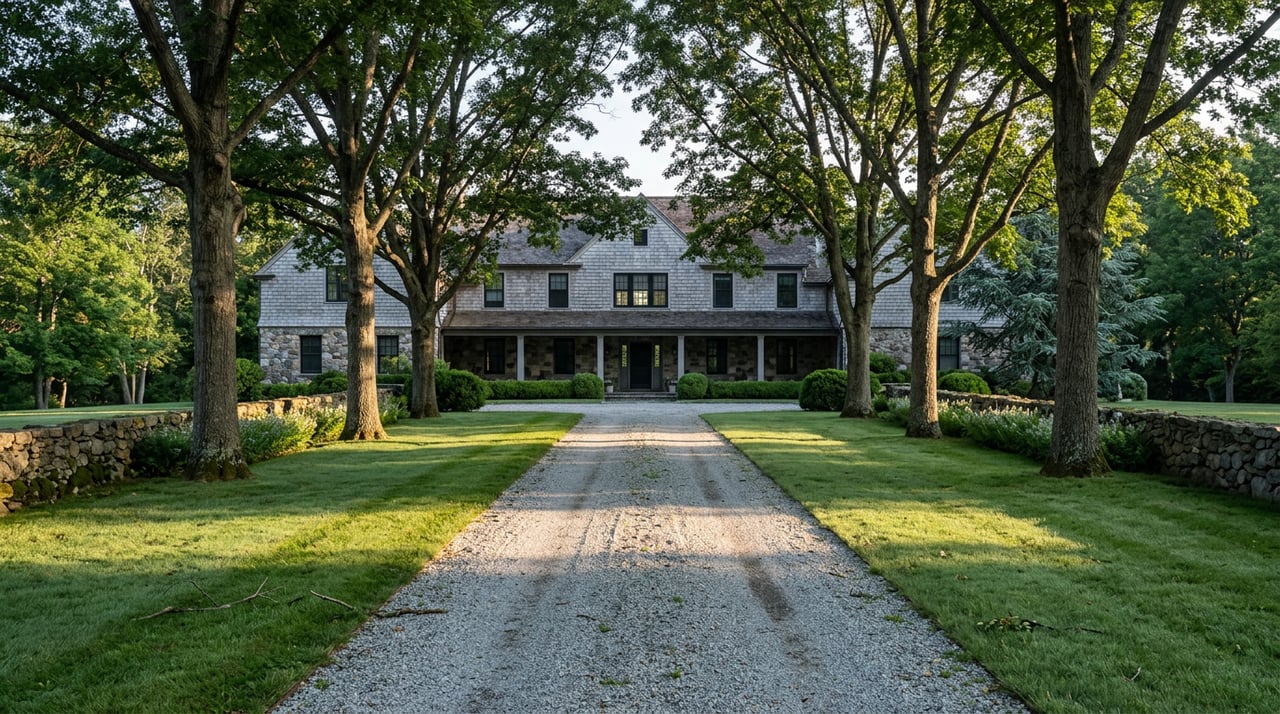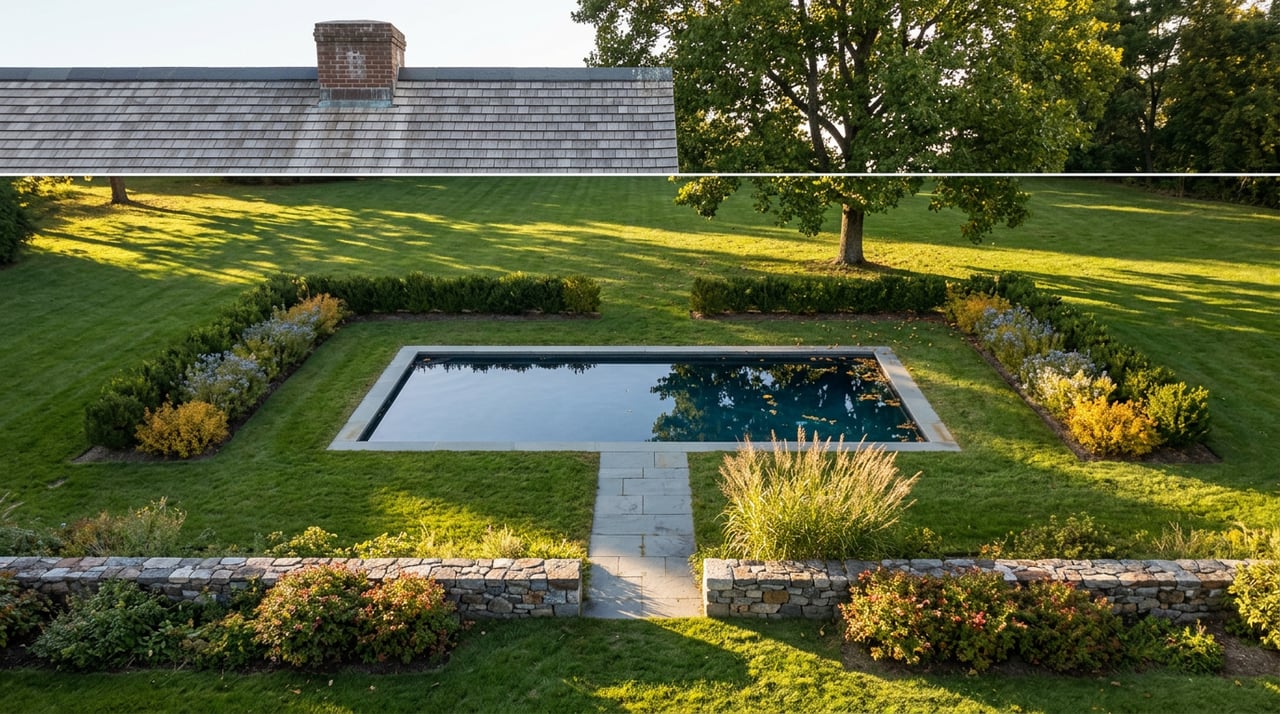
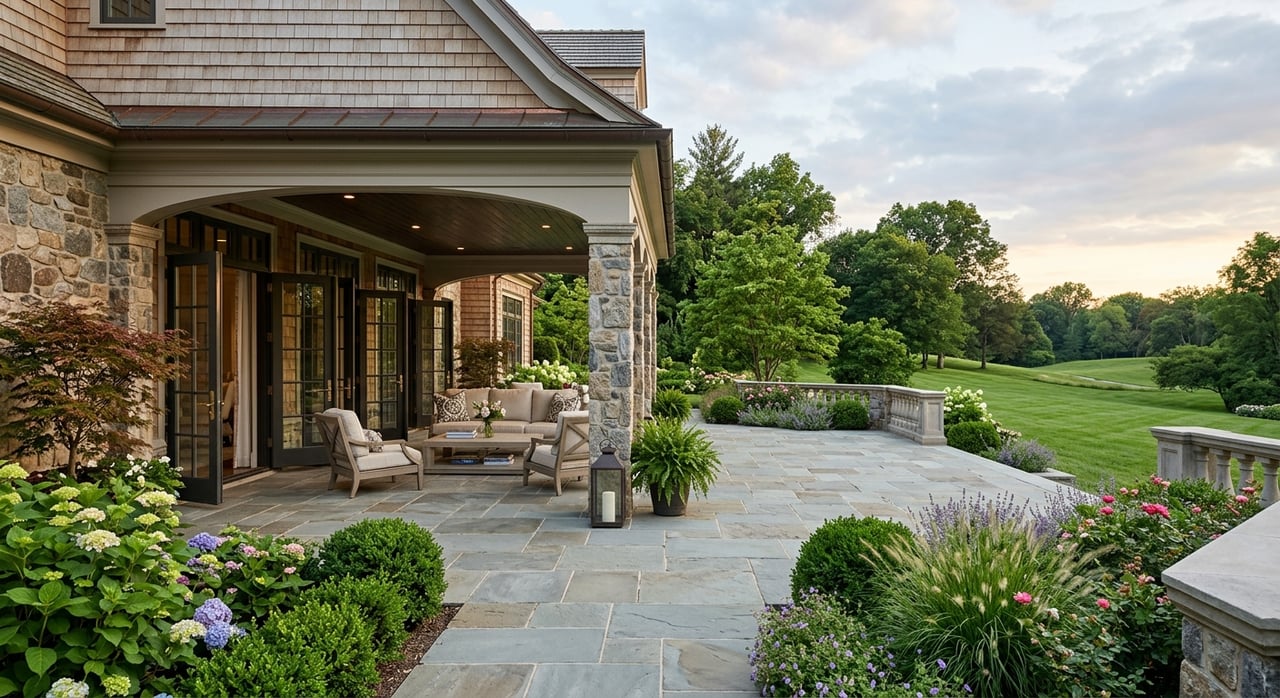
If you are looking for a North Shore community that feels private, scenic, and deeply tied to Long Island’s estate history, Sands Point stands apart. This is a village where shoreline views, large residential parcels, and historic character shape daily life in a very specific way. If you want a clearer picture of what living here actually feels like, this guide will walk you through the setting, the housing profile, and the lifestyle that define Sands Point. Let’s dive in.
Sands Point at a Glance
Sands Point is an incorporated village at the tip of the Port Washington peninsula in northwest Nassau County. According to the village, it spans almost 3,000 acres, is home to more than 900 families, and sits less than 25 miles from Manhattan.
Its geography is a major part of its identity. With water on three sides in the Manhasset Bay, Long Island Sound, and Hempstead Harbor area, the village has a quiet, enclosed feel that is hard to replicate elsewhere on the North Shore.
Sands Point is also intentionally residential in character. The village states that it is residential-only, permits single-family dwellings, and does not allow partial rentals, which helps explain why the community feels so consistent and low-density.
Estate Character Defines the Village
Sands Point is closely associated with the Gold Coast era, and that legacy is still visible today. The Sands Point Preserve sits on the original Guggenheim Estate, and the Conservancy connects the area to the historic North Shore estate tradition and the popular image of East Egg.
This is not just a place with large homes. It is a village where architecture, land, and preservation all play a visible role in shaping the overall experience of the community.
Historic Estates Still Shape Identity
Several landmark properties help define Sands Point’s architectural profile. Castle Gould, completed in 1904, is a limestone structure modeled after Ireland’s Kilkenny Castle. Hempstead House is a 50,000-square-foot Tudor-style mansion designed by Hunt & Hunt, while Falaise is recognized as one of the few intact historic houses remaining on Long Island’s North Shore.
Together, these properties give Sands Point a strong visual and cultural identity. Even if you are focused on present-day housing, the village’s estate history remains an important part of what makes the area feel distinctive.
Preservation Is Part of Local Life
In Sands Point, preservation is not just symbolic. The village’s Historic Landmarks Preservation Commission is tasked with protecting sites and structures of architectural and historic significance.
That matters if you value a community that takes long-term stewardship seriously. It reinforces the sense that Sands Point is committed to maintaining its character rather than changing course with short-term development pressure.
Shoreline Living Here Is Scenic
One of the biggest draws of Sands Point is the waterfront setting. But the shoreline experience here is best understood as scenic, natural, and visually dramatic rather than centered on public swimming beaches.
That distinction is useful if you are comparing North Shore villages. Sands Point offers shoreline access and views that support walking, outdoor time, and a sense of retreat, with a different rhythm than a typical beach town.
Sands Point Preserve Offers Public Open Space
The Sands Point Preserve is one of the village’s best-known destinations. Its public grounds include the Great Lawn, Hempstead House Garden, Woodland Playground, dog run, forest trails, and pond area.
The Conservancy says there are six marked trails across more than 200 acres of woods, lawns, gardens, cliffs, and a mile-long beach. This gives residents and visitors a substantial amount of open space to enjoy in a setting that feels both historic and coastal.
The Waterfront Is About Views and Nature
The Preserve’s shoreline is scenic, but it is not designed as a swim-focused destination. Preserve rules prohibit swimming, fishing, camping, bicycles, and drones, while allowing dog walking on leash.
In practical terms, that makes the waterfront feel peaceful and nature-oriented. If you picture yourself taking walks, enjoying water views, or spending time outdoors in a quieter setting, that is a better match for the way this part of Sands Point is used.
Private Club Lifestyle Adds Another Layer
For buyers who want more than open space and privacy, Sands Point also has a private club component. The Village Club of Sands Point occupies about 210 acres overlooking Hempstead Harbor.
According to the club, amenities include an 18-hole Tom Doak championship golf course, 12 tennis courts, 6 platform tennis courts, 8 pickleball courts, a pool, and formal and casual dining. That adds a structured recreational option that complements the village’s residential and scenic setting.
This combination is part of what makes Sands Point unique. You have public preserve land for walking and enjoying the landscape, along with private club amenities that support an active and social lifestyle for members.
What the Housing Pattern Tells You
Sands Point’s housing profile is shaped as much by zoning as by history. The local code is designed to preserve large-lot, estate-style living rather than encourage compact development.
For buyers, that means the built environment is not accidental. The spacing, parcel sizes, and residential feel are supported by village rules that prioritize lower-density land use.
Large Lots Are Built Into the Code
Residence A permits only detached single-family dwellings and requires one family per 87,120 square feet, or two acres. Residence B requires one family per 43,560 square feet, or one acre.
A 2024 amendment affecting Residence C was intended to raise minimum lot area on certain undeveloped parcels to five acres in order to preserve the village’s rural estate character and water supply. The overall effect is clear: Sands Point is structured around substantial lots and a low-density residential pattern.
Homes Tend to Be Substantial
The zoning code also requires at least 2,000 square feet of usable floor area in the residential districts and limits building coverage and accessory structures. In plain terms, the village favors large homes on large parcels.
If you are looking for a more compact, subdivision-style housing pattern, Sands Point is generally not that. Its appeal is tied to space, privacy, and a more estate-oriented approach to residential living.
Daily Life Feels Self-Contained
Part of Sands Point’s appeal is how self-contained it feels. The village says most roads are village-owned, and it operates its own police and water departments.
At the same time, some day-to-day services connect to the broader Port Washington area. The village notes that residents rely on Port Washington-based library, post office, school, and ambulance services, while homes use private cesspools because there are no sewers.
These details may seem technical, but they help explain the village experience. Sands Point offers a strong sense of separation and privacy, yet it still functions within the larger Port Washington community for key public services.
Commuting and Regional Access
Although Sands Point feels tucked away, it remains connected to New York City. The village’s official statement says the Port Washington LIRR station provides a direct rail link of roughly 40 minutes to Midtown Manhattan.
The Preserve also notes that riders on the Port Washington Line can reach the area with a short taxi ride. For buyers who want distance from the city without giving up practical access, that balance is an important part of the appeal.
Who Sands Point Often Appeals To
Sands Point tends to attract buyers who value privacy, space, and a more formal residential setting. The village’s official statement describes it as a residential community with many residents commuting to New York City, and notes that its affluent residential character is a major attraction to potential homebuyers.
That profile often resonates with buyers seeking estate-scale property, water views, or a quieter North Shore setting. It can also appeal to those who want a village with clear land-use rules and a strong sense of identity.
Why Sands Point Stands Out
Many North Shore communities offer charm, water access, or beautiful homes. Sands Point stands out because it combines all three with unusually large residential parcels, a strong preservation mindset, and a setting that feels notably private.
You are not just buying into a location here. You are stepping into a village shaped by estate history, shoreline geography, and local rules that continue to protect its low-density character.
If you are considering buying or selling in Sands Point, working with an advisor who understands both the market and the details behind estate-style transactions can make a real difference. For personalized guidance, local insight, and a discreet, high-touch experience, connect with Irene Renee Rallis.
FAQs
What is Sands Point known for in Nassau County?
- Sands Point is known for its estate history, large residential parcels, scenic shoreline setting, and the Sands Point Preserve on the former Guggenheim Estate.
What kind of homes are typical in Sands Point?
- Sands Point zoning favors detached single-family homes on large lots, with one-acre and two-acre districts and rules that support estate-style residential development.
Is Sands Point a walkable beach community?
- Sands Point offers scenic shoreline areas and walking trails, but the Preserve waterfront is better known for views and nature than for swimming or a public beach-town atmosphere.
How do residents commute from Sands Point to Manhattan?
- The village’s official statement says the nearby Port Washington LIRR station offers a direct trip of roughly 40 minutes to Midtown Manhattan.
What local services does Sands Point provide?
- The village says it operates its own police and water departments, has mostly village-owned roads, and homes use private cesspools because there are no sewers.
Is Sands Point mostly residential?
- Yes. The village states that Sands Point is residential-only and permits single-family dwellings, which helps preserve its low-density character.