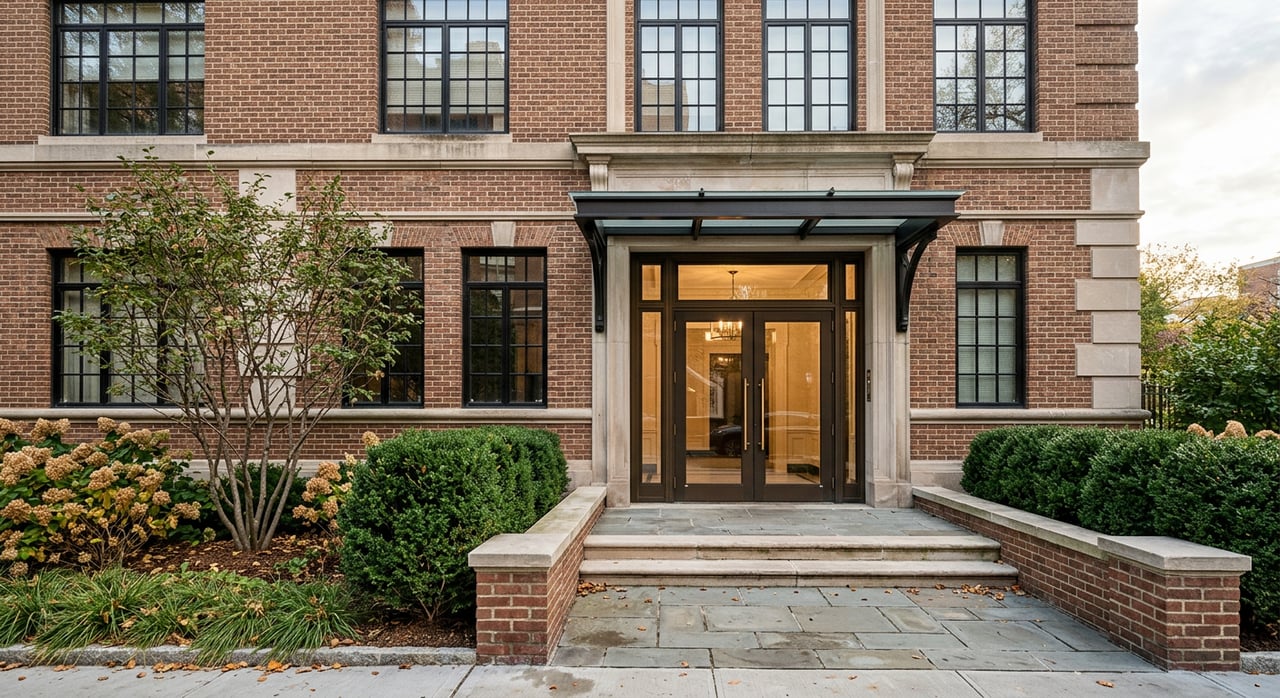
Thinking about trading your Manhattan walk-up for more space in Bayside or Whitestone, but not sure whether a single-family home, co-op, or condo fits best? You are not alone. Many buyers weigh entry price, monthly costs, commute time, and board rules before deciding. This guide breaks down what you will actually find in Northeast Queens, how the numbers work, and how to choose with confidence. Let’s dive in.
Bayside vs. Whitestone at a glance
As of January 31, 2026, market snapshots show Bayside’s average home value near $899,000 with a median sale price around $702,500. In nearby Whitestone, median sale prices have recently hovered near the upper $900,000s, placing it on the higher end of Queens’ low-rise and single-family market. Prices shift by month and property type, so treat these as directional context, not hard caps.
Both neighborhoods draw city buyers for a calmer feel, access to the water, and more space than typical in-city apartments. You will see a mix of prewar and midcentury co-ops, mid-rise condos, and a wide range of single-family homes. Your day-to-day experience will vary by property type, building rules, and how you commute.
What you will find by property type
Prewar and older co-ops
Co-ops are common in Bayside and Whitestone. You buy shares in a corporation with a proprietary lease rather than a deed, and a board oversees building finances and policies. Maintenance usually covers building operations, staff, reserves, and the building’s property tax share, and may also include a portion of an underlying building mortgage. Learn the basics in this clear primer on co-op ownership from PropertyShark’s guide to co-ops.
In this area, many 1 to 2 bedroom co-op resales list in the low to mid $200,000s through the mid $400,000s. Larger layouts or full-service buildings can push higher. Co-ops often have stricter financing and liquidity rules. Many require at least 20 percent down, with some expecting 25 to 30 percent plus post-closing reserves. Expect a board application and interview, which can extend your timeline.
Mid-rise condos
Condos give you deeded unit ownership and, in many buildings, more flexible rental or sublet rules than co-ops. Monthly common charges typically cover shared operations and amenities, but you pay your property taxes directly. In Northeast Queens, you will often see 1 bedroom condos start in the mid $300,000s, with 2 to 3 bedrooms ranging from the $500,000s to $700,000s or more depending on size and amenities.
Financing is similar to buying a house, and some condos allow lower down payments than many co-ops. Plan for larger closing costs than a typical co-op purchase because you will often pay mortgage recording tax and title insurance on condos.
Single-family homes
Single-family and 1 to 3 family properties offer private yards, driveways or garages, and more storage. You handle all maintenance and pay property taxes directly. In Northeast Queens, these homes commonly fall in the upper $900,000s to $1.5 million plus, reflecting the premium for land, privacy, and square footage. In New York City, most 1 to 3 family houses are taxed under Class 1 rules, which follow a different assessment method than co-ops and condos. You can read more about NYC tax context in the Comptroller’s New York by the Numbers overview at the NYC Comptroller’s site.
Price, monthly costs, and financing side by side
Purchase price
- Co-ops usually have the lowest entry prices for comparable space.
- Condos often trade at a premium to co-ops due to flexibility and easier financing.
- Single-family homes typically command the highest prices in this submarket.
Monthly carrying costs
- Co-op maintenance includes building expenses and often taxes, so monthly costs can look high even when purchase price is lower.
- Condo owners pay common charges plus their own property tax bills.
- Single-family owners carry all maintenance and full property taxes.
Financing and down payments
- Co-ops commonly expect stronger liquidity and larger down payments, plus reserves.
- Condos and houses often allow 10 to 20 percent down depending on loan product and borrower profile.
- Co-op timelines include board approval, which can add weeks after loan commitment.
Flexibility and rentals
- Co-ops often limit subletting or have minimum owner-occupancy rules. Review a building’s house rules and policies.
- Condos tend to be more permissive, but rules vary by building and HOA.
- For long-term flexibility, confirm policies and any lease minimums in writing. For an overview of co-op structures and rules, see PropertyShark’s co-op explainer.
Closing costs and speed
- Condo closings generally include mortgage recording tax and title insurance, so buyer closing costs can be higher than co-ops.
- Co-op board applications and interviews often extend the timeline even when upfront costs are lower.
Commute, parking, and daily life
LIRR and express buses
Bayside has a Long Island Rail Road station on the Port Washington Branch, which offers direct service to Manhattan. Check schedules for express or local trains on the MTA’s LIRR site to estimate door-to-door timing. In Whitestone, many residents use express buses like the QM2 and QM20 into Midtown, or they connect to nearby LIRR stations. You can see a full list of Queens bus routes, including QM options, on Wikipedia’s list of bus routes in Queens.
Parking and storage
If you buy a house, you often gain a driveway or garage, which simplifies both daily life and weekend errands. Many co-ops and condos offer on-site or assigned parking for a fee, sometimes with a waitlist. Factor the cost and availability of parking into your budget and timeline, especially if you have more than one vehicle.
Waterfront and flood checks
Parts of Bayside and Whitestone border Little Neck Bay and the Long Island Sound. If you are near the water or in a low-lying area, plan to review FEMA flood maps and speak with your insurer about flood insurance quotes. Premiums vary by property elevation, building systems, and mitigation features, so get estimates early in your process.
Due diligence checklists
For co-ops
- Building financials: recent audited statements, reserve levels, and any planned capital projects. See the co-op mechanics overview in PropertyShark’s co-op guide.
- Board policies: minimum down payment, post-closing liquidity, sublet rules, pet policy, and any flip tax or transfer fees.
- Maintenance breakdown: confirm what portion is property tax, staff, utilities, and if there is an underlying mortgage.
- Board minutes: look for mentions of deferred maintenance, litigation, or special assessments.
For condos
- Offering plan, HOA budget, reserves, and master insurance policy limits.
- Any recent or pending special assessments and scheduled capital work.
- Common charges, what utilities are included, and current tax bill.
- Whether the building maintains any financing restrictions that could affect your loan.
For single-family homes
- Property tax history and recent or expected reassessments. NYC taxes most 1 to 3 family homes under Class 1 rules, which differ from co-ops and condos. See the NYC Comptroller’s overview for broader tax context at the NYC Comptroller’s site.
- Full home inspection, with attention to roof, foundation, drainage, and any coastal exposure.
- Utility age and condition for heating, cooling, and electrical systems, plus recent permits.
- If near the water, confirm flood zone and price flood insurance quotes before you make final decisions.
Which option fits you best
- Choose a co-op if you want the lowest purchase price, are comfortable with board approval, and plan to live in the home long term under building rules.
- Choose a condo if you value flexibility, want deeded ownership, and may rent the unit in the future. Expect a higher entry price and higher closing costs than many co-ops.
- Choose a single-family home if you want a yard, extra storage, and parking. Budget for full property taxes and ongoing maintenance, especially for larger or older homes.
- If speed to close matters, ask about condo availability or single-family options where you can align financing, title, and inspections quickly.
Buying in Northeast Queens can feel complex, but the right plan simplifies it. Clarify your monthly budget, financing path, and commute first, then line up building rules, taxes, and insurance details so there are no surprises.
Ready to compare your short list and numbers side by side? For white-glove guidance from search to closing, connect with Irene Renee Rallis. You will get clear advice, meticulous due diligence, and a calm, efficient process from a seasoned broker with legal and accounting training.
FAQs
What are typical prices in Bayside and Whitestone in early 2026?
- Recent snapshots show Bayside’s average value near $899,000 with a median sale price around $702,500, while Whitestone’s median sale price has hovered near the upper $900,000s; prices vary by property type and month.
How do co-op monthly costs compare to condo costs in Northeast Queens?
- Co-op maintenance often includes building expenses and property taxes, while condo owners pay common charges plus their own tax bills; compare line items to get a true apples-to-apples monthly total.
Can you buy a co-op with less than 20 percent down?
- Some buildings allow it, but many co-ops in this area expect at least 20 percent down and may require 25 to 30 percent plus post-closing liquidity; check each building’s board policies.
Is Bayside or Whitestone better for a Manhattan commute without a car?
- Bayside has the LIRR Port Washington Branch with direct service to Manhattan, while Whitestone relies more on express buses like the QM2 and QM20 or access to nearby LIRR stations; check schedules and travel times for your peak hours on the MTA’s LIRR site and Queens bus route resources.
Do you need flood insurance near the water in Whitestone or Bayside?
- If a property sits in a mapped flood zone or is close to the shoreline, lenders may require flood insurance; verify the FEMA map designation and get quotes early so premiums are part of your budget.